The traditional 4C framework is a starting point, not the whole story. At Prijems we carry everything from D/VVS white brilliants to Salt & Pepper rustics- and we believe every diamond deserves to be understood on its own terms. This guide teaches the fundamentals, then shows you how we think about them differently.
The Gemological Institute of America established the 4Cs- Cut, Color, Clarity, and Carat- as a universal language for describing diamonds. They are essential. But they were designed for a world of colorless brilliant cuts, and Prijems carries far more than that.
Cut refers to how well a diamond's facets interact with light- its proportions, symmetry, and finish. An Excellent cut grade means maximum brilliance and fire in a standard round brilliant.
The Prijems view Cut grades only apply to round brilliants. Our Old Mine, Rose Cut, and Geometric stones are graded differently- or not at all. What matters is the quality of the make: the polish, the symmetry, the craftsman's intention. We evaluate these by hand, not by algorithm.The GIA color scale runs from D (colorless) to Z (light yellow or brown). Colorless stones (D–F) are rarest and most valuable by traditional grading. Below Z, diamonds enter "fancy color" territory and become rarer again.
The Prijems view We carry D color, VVS1 white brilliants- the finest by any standard. We also carry champagne, cognac, and fancy color stones where warmth is the point, not a flaw. Neither is superior. They are different conversations about beauty.Clarity measures the absence of inclusions (internal) and blemishes (external). The scale runs from Flawless (FL) through Included (I3). VS1 and SI1 stones are "eye clean"- inclusions invisible to the naked eye.
The Prijems view For white brilliants, clarity matters significantly. For Salt & Pepper, Rose Cut, and Rustic stones, inclusions are the entire point- they are what make the stone one of a kind. We never apologise for a galaxy inside a diamond.Carat is a unit of weight- one carat equals 200 milligrams. Larger stones are rarer and command exponentially higher prices. Carat weight does not equal size: a well-cut 1ct stone can face up larger than a poorly cut 1.2ct.
The Prijems view Carat matters- but so does spread, depth, and proportion. Our spready Old Mine cuts at 1ct will many times face up similarly to a 1.20ct modern brilliant. We describe all our stones in terms of actual face-up size, not just weight.Cut style determines the personality of a stone- its light performance, its silhouette, its historical associations. Prijems carries the full spectrum, from the most technically precise modern brilliant to cuts invented centuries before electricity. No style is better than another. Each is a different answer to the question of what a diamond should be.
A flat base, a domed crown, 3 to 24 triangular facets. Originally developed in the 16th century. The most human of all diamond cuts.
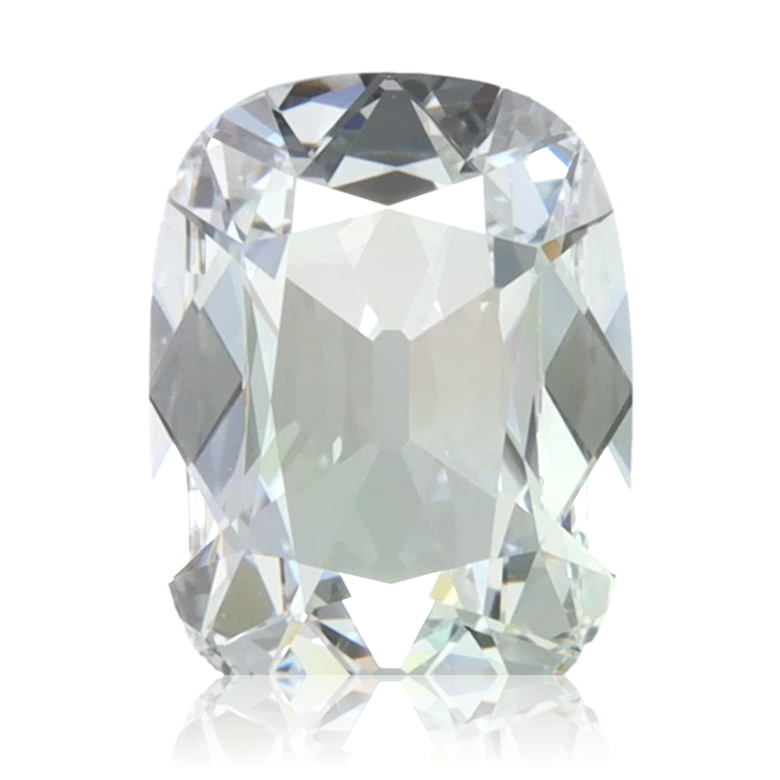
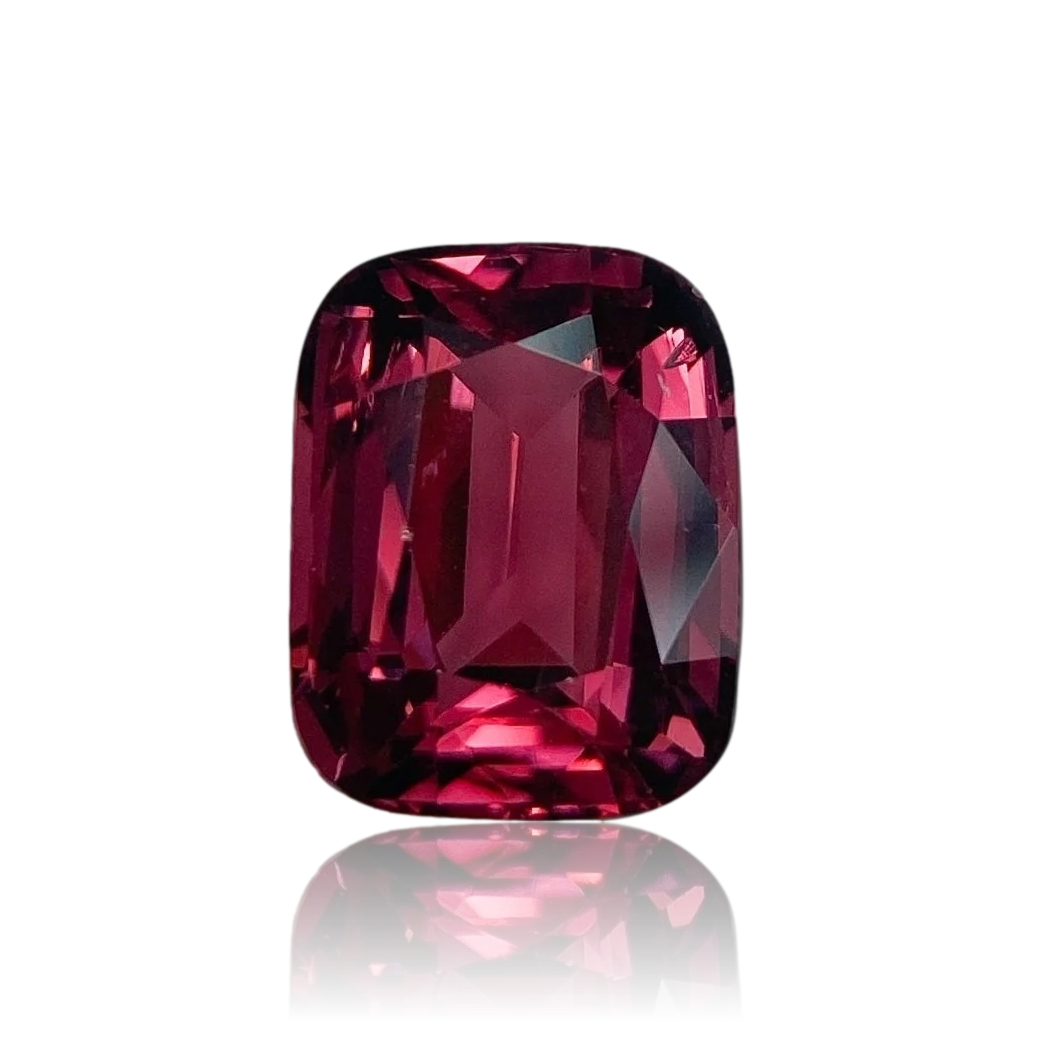
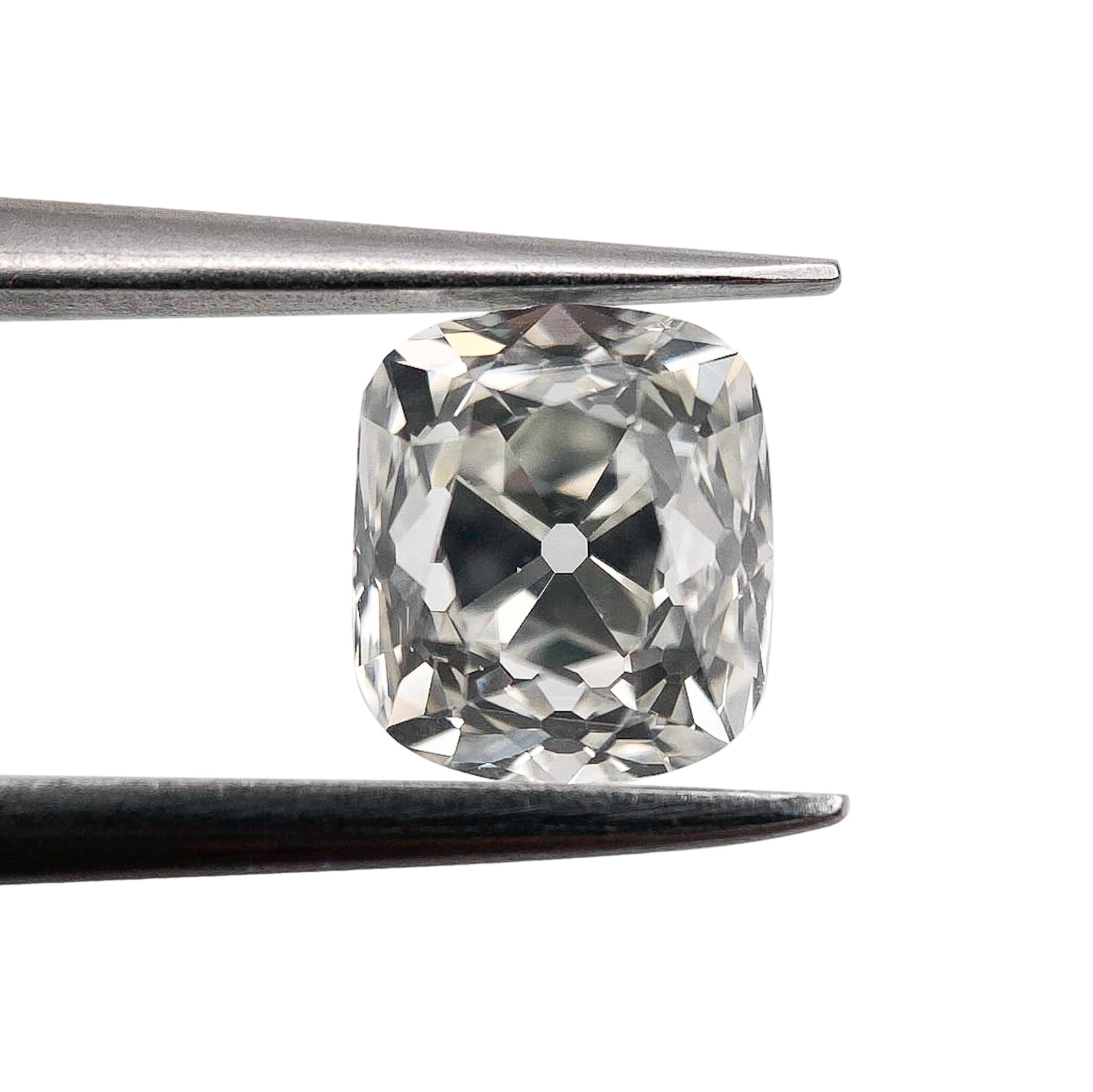
The ancestor of today's cushion cut- squarish or elongated silhouette, rounded corners, and a large open culet. Hand faceted historically, and cut to optimized proportions today.
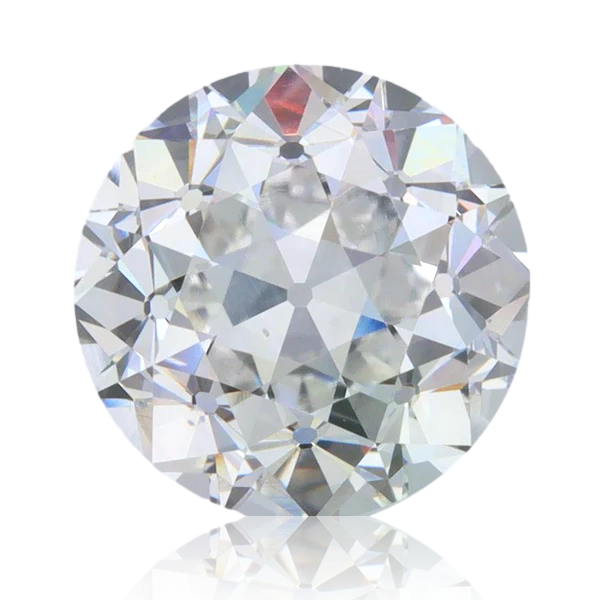
The predecessor to today's round brilliant- round outline, high crown, deep pavilion, open culet. Chunkier, less precise facets than modern cuts, softer glow.
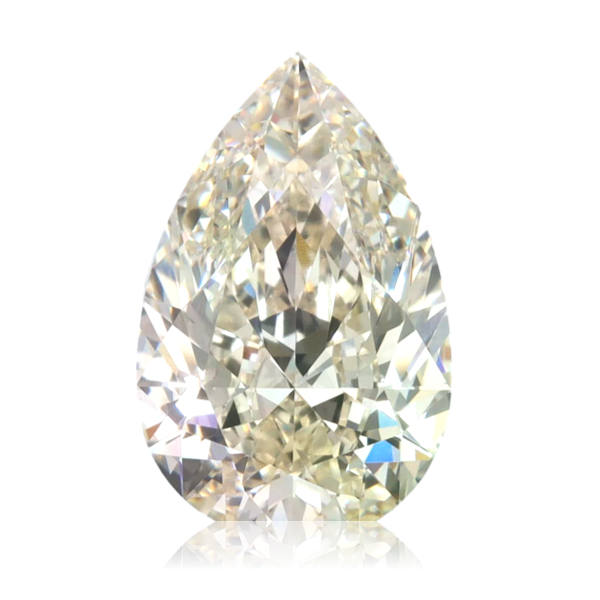
Round, oval, cushion, pear, marquise- engineered for maximum light return and fire. The most technically optimised diamond cut ever developed.
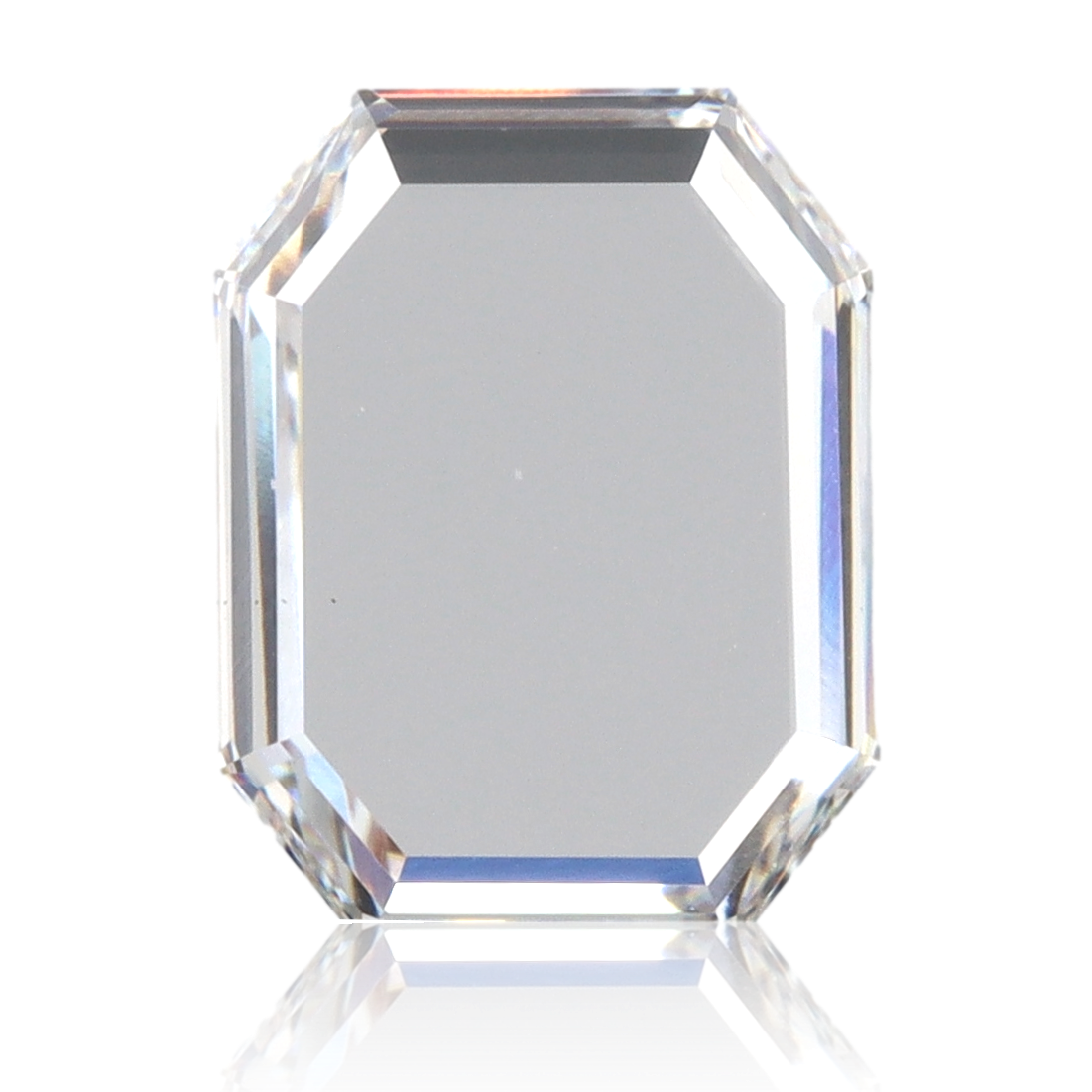
Emerald, Asscher, baguette- long, parallel facets creating a hall-of-mirrors effect rather than brilliance. Architectural, understated.
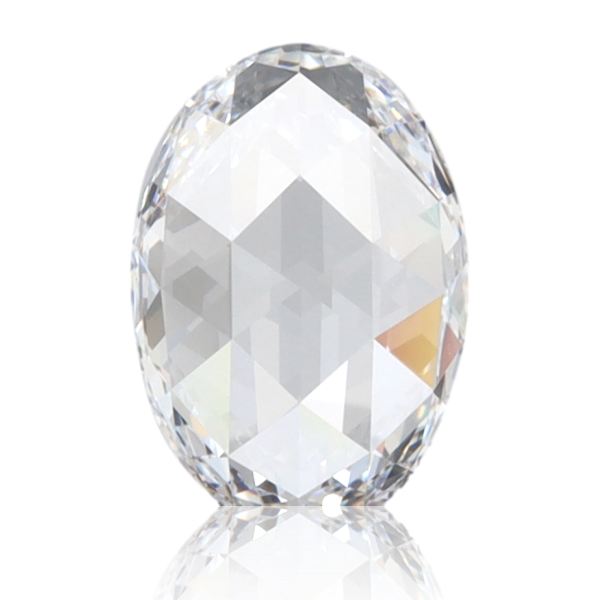
Ultra-thin, flat-cut diamonds that reveal what's inside the stone rather than reflecting light back out. Looking into a stone as much as at it.
The traditional color scale rewards absence- the less color, the higher the grade. At Prijems we honor that standard completely for our white diamond inventory. And we also believe that color, when it is the right color, is not a compromise. It is a choice. Champagne, cognac, and fancy color- these are not lesser diamonds. They are different ones.
The rarest on the traditional scale. Pure, icy, optically perfect. GIA grades D, E, and F as colorless- indistinguishable to the naked eye. The benchmark for white diamond quality.
Colour only detectable by a trained eye when compared side by side. Excellent value without visible compromise. The most popular range for brilliant cut engagement stones.
A warm ivory cast- faint, but present. Still reads clean in yellow gold settings. This is where the value curve begins bending in your favor.
Noticeable warmth without magnification- pale yellow, soft brown. Honest, visible color at a fraction of colorless pricing.
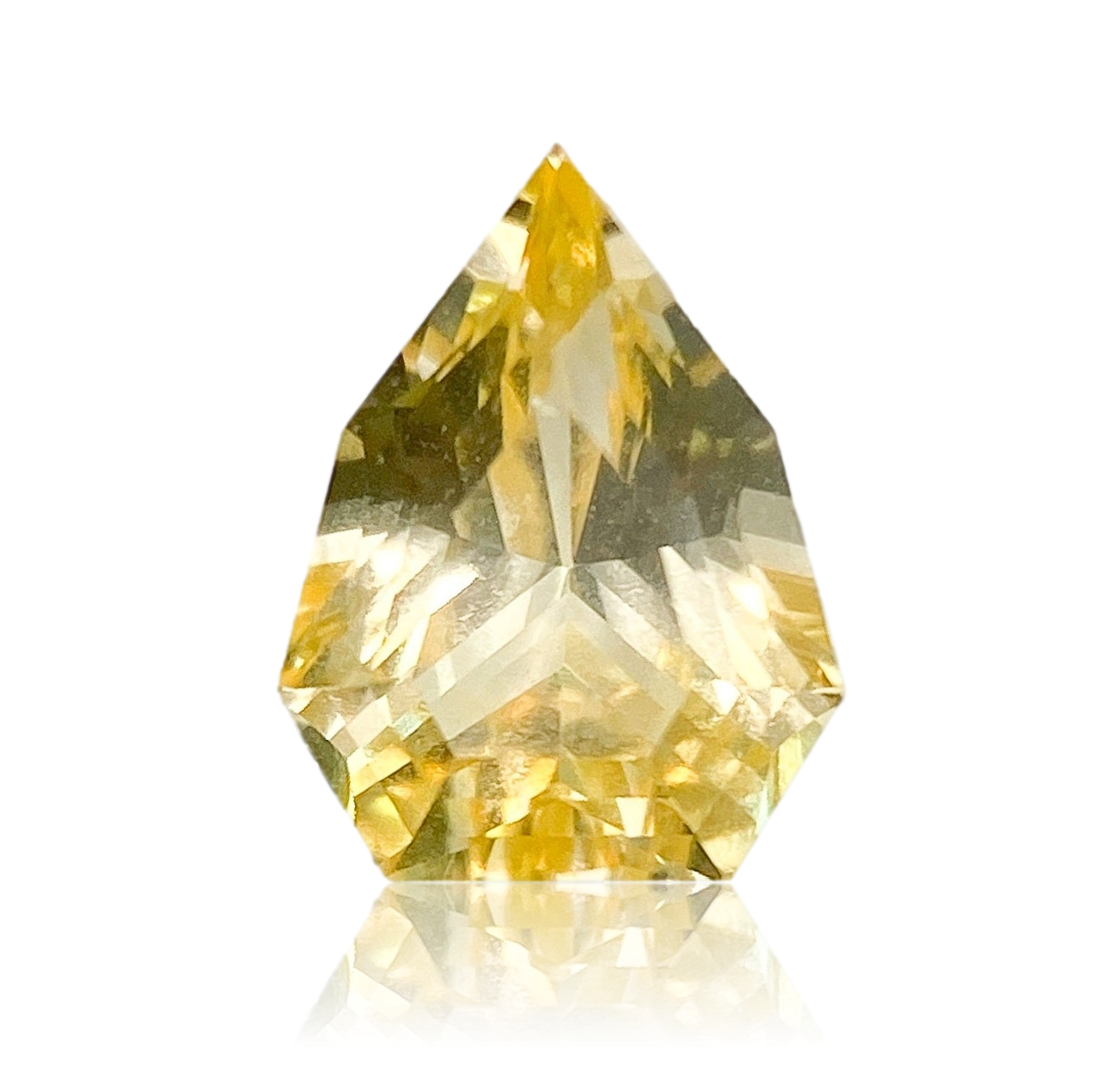
Warm amber to deep earth-brown- the colors of dusk over desert stone. Champagne sits lighter within the standard scale; cognac runs deeper, often crossing into fancy brown grading. Not a defect. A character.
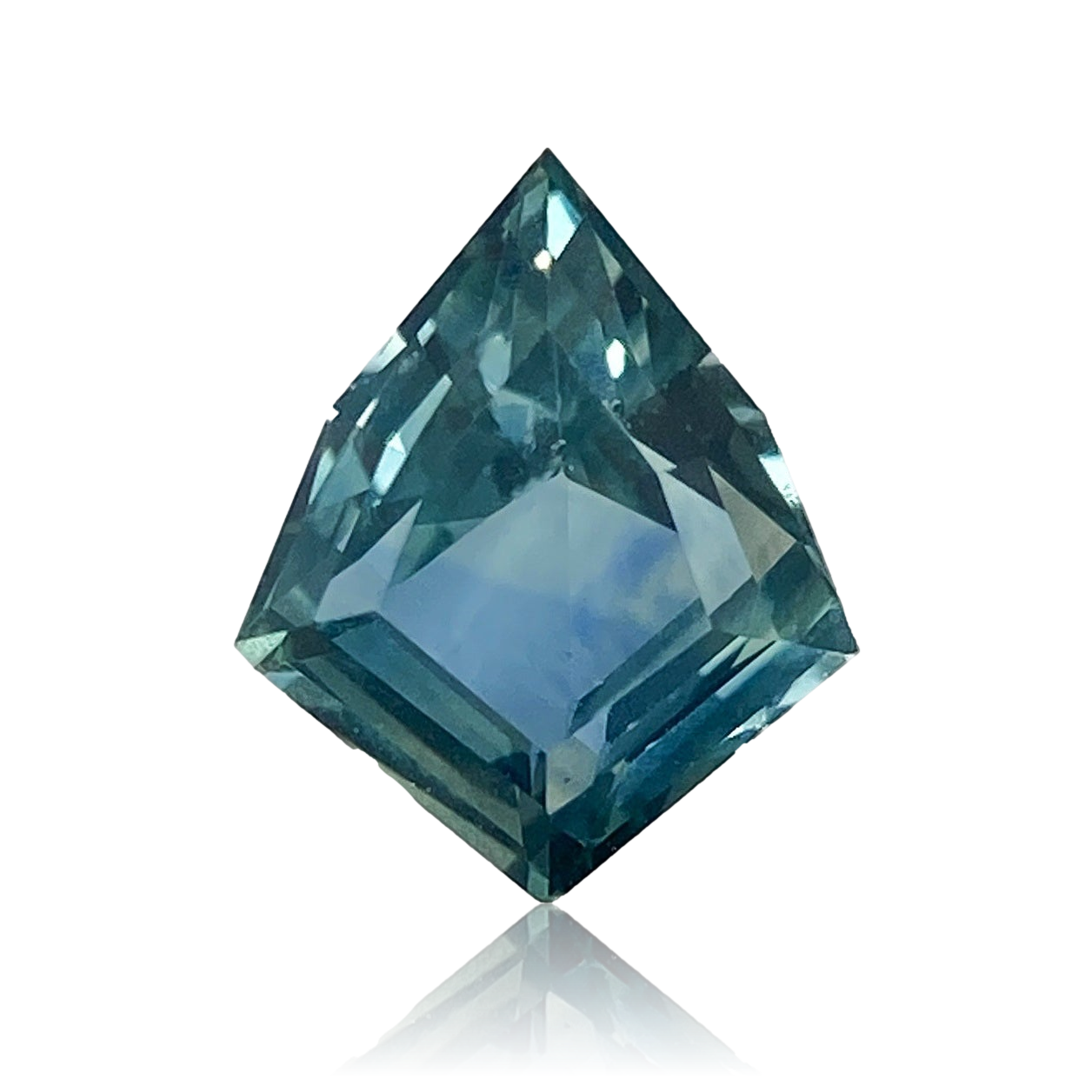
Natural yellows, greens, pinks, and blues, graded on a separate GIA fancy color scale entirely. Among the rarest diamonds on earth- their color caused by trace elements present during formation billions of years ago.
Inclusions are internal characteristics formed during a diamond's growth- crystals, feathers, clouds, needles- each one a record of what the stone experienced three billion years ago. They are not manufacturing defects. They are geological fingerprints.
For white brilliants, clarity is a significant value factor. A VS1 stone faces up clean to the naked eye; an SI2 may show inclusions depending on type and placement. For diamonds where cut is very deep- like step cuts and Old Mine- clarity becomes more visible and matters more.
For Salt & Pepper, Rustic, and Portrait Cut diamonds, inclusions are not graded on the standard clarity scale at all. They are the composition of the stone. We evaluate them on pattern, distribution, and how they interact with light- not whether they are absent.
"The inclusion that makes a Salt & Pepper stone unrepeatable is the same geological event that makes a flawless stone remarkable for its absence. Both are extraordinary. Both are honest."
No inclusions visible under 10× magnification. Extremely rare. Relevant primarily for large white diamonds where the price premium is justified.
Inclusions extremely difficult to see under 10× magnification. Invisible to the naked eye in all cases. Excellent choice for high-clarity white or fancy color diamonds.
Minor inclusions visible under magnification but not to the naked eye. The sweet spot for value and appearance in white brilliant cuts.
Inclusions noticeable under magnification, sometimes visible to the naked eye depending on type and placement. Good value if eye-clean- always check.
The Gemological Institute of America (GIA) is the world's foremost authority on diamond grading. A GIA report provides an independent, objective assessment of a diamond's 4Cs- cut, color, clarity, and carat weight- issued by expert gemologists with no commercial interest in the outcome.
At Prijems, GIA certification is available across our inventory- and for significant white diamonds, we strongly recommend it. A GIA report gives you certainty: the grade on the report is the grade of the stone, verified by the most trusted laboratory in the industry.
For Salt & Pepper, Rustic, and smaller specialty stones, GIA grading is less relevant- the standard clarity scale doesn't capture what makes these stones remarkable. In these cases, our own expertise and 40 years of curation is the assurance.
Shop GIA Certified Stones →Many of our stones carry GIA Known-Origin certification- a relatively new and significant program that traces a diamond's geographic origin using advanced spectroscopic analysis. This goes beyond standard conflict-free certification: it identifies the specific mine or region the rough came from, verified by science, not just paperwork. For collectors and buyers who want full provenance, this is the highest available assurance.
The full 4C grading report for diamonds 0.15ct and above. Includes cut grade for round brilliants, color, clarity, carat weight, measurements, and a plotted diagram of inclusions. The global standard for white diamond transactions.
A condensed report for diamonds 0.15–1.99ct. Same grading as the full report but with a laser-inscribed report number rather than a plotted diagram. Smaller, more cost-effective, equally authoritative.
A 0.8ct Salt & Pepper rose cut doesn't require a GIA report- the standard grading system doesn't apply. For specialty and character stones, Prijems' own evaluation and 40 years of expertise is the certification that matters.
The best diamond is not the one with the highest grades. It is the one that speaks to you- that fits the jewelry it will live in, the person who will wear it, and the story it will carry forward. These questions will help you find yours.
A well-cut white brilliant is one of the most technically remarkable objects ever made. If fire, light return, and traditional grading excellence matter to you- and they should, for the right person- this is where to start.
An Old Mine cut, a Salt & Pepper rose cut, a champagne step cut- stones chosen because no one else will have one like it. If you want a diamond that feels like it was found rather than selected from a catalog, this is where to look.
Forty years of expertise is at your disposal. Whether you are a jeweler sourcing for a client, a designer working on a collection, or someone choosing a stone for the most important piece of jewelry you will ever commission- we are here to help you find the right one.